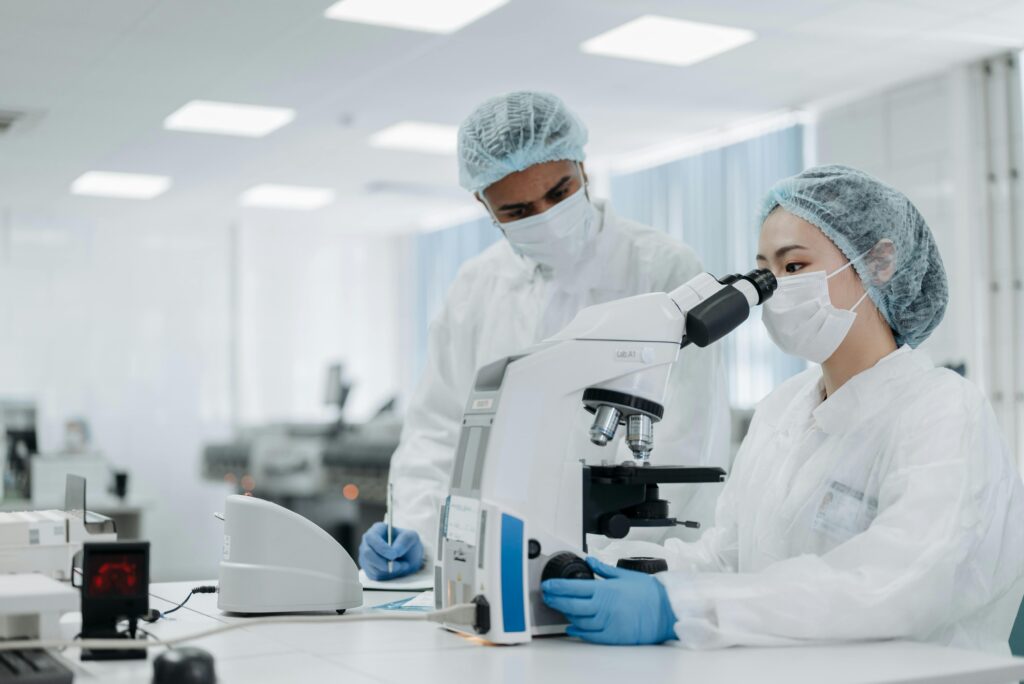
The biomedical devices industry is a cornerstone of modern healthcare, providing the technology needed for diagnosing, treating, and managing various medical conditions. These devices enhance patient care, improve diagnostic accuracy, and support the delivery of effective treatments. In this comprehensive guide, we explore the primary categories of biomedical devices and their key applications in healthcare, offering a deep dive into diagnostic devices, treatment devices, and implantable devices.
What Are Biomedical Devices?
Biomedical devices are tools and technologies designed to aid in the diagnosis, monitoring, or treatment of diseases. These devices range from simple tools like thermometers to advanced machinery such as MRI scanners. They play an integral role in improving the quality of healthcare services, enhancing patient outcomes, and ensuring the efficiency of medical procedures.
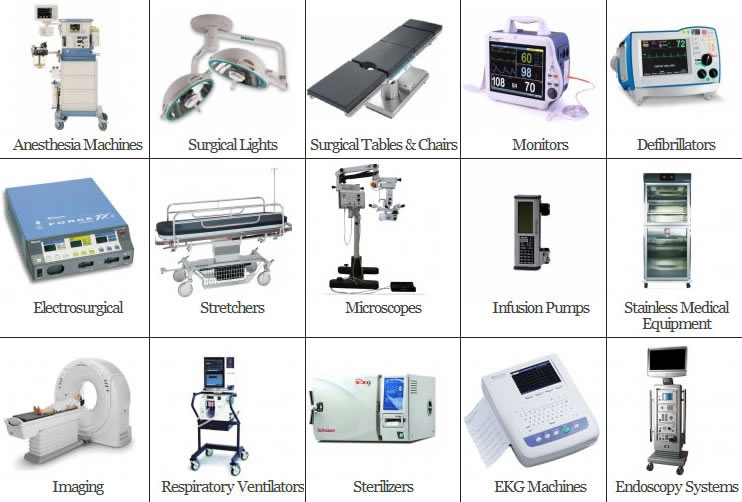
Importance of Biomedical Devices in Healthcare
Biomedical devices are essential for:
- Accurate Diagnosis: Advanced diagnostic tools help detect diseases in their early stages.
- Effective Treatment: Therapeutic devices enable precise and minimally invasive treatments.
- Improved Monitoring: Devices like wearable sensors track patient vitals in real-time.
- Enhanced Quality of Life: Implantable devices restore functionality and improve the quality of life for patients.
Categories of Biomedical Devices
Biomedical devices can be broadly classified into three main categories:
- Diagnostic Devices
- Treatment Devices
- Implantable Devices
Each category has a unique role in healthcare, which we will discuss in detail below.
1. Diagnostic Devices
Diagnostic devices are designed to identify diseases, conditions, or abnormalities within the body. These tools are critical for early detection, which often leads to better treatment outcomes.
Examples of Diagnostic Devices
- Medical Imaging Devices: Include X-ray machines, MRI scanners, and ultrasound systems.
- Laboratory Equipment: Such as blood analyzers and centrifuges.
- Point-of-Care Devices: Devices like glucose monitors and portable ECG machines.
- Endoscopic Tools: Used for visualizing internal organs.
Key Applications of Diagnostic Devices
- Cancer Detection: MRI and CT scans can identify tumors at early stages.
- Cardiovascular Monitoring: Devices like ECG machines diagnose heart conditions.
- Diabetes Management: Glucose monitors help patients track blood sugar levels.
- Infectious Disease Testing: PCR machines identify pathogens such as viruses and bacteria.
2. Treatment Devices
Treatment devices are designed to aid in or directly administer therapies to patients. They are vital for delivering effective interventions.
Examples of Treatment Devices
- Surgical Instruments: Such as robotic surgical systems and laparoscopic tools.
- Radiation Therapy Machines: Used in cancer treatment.
- Respiratory Devices: Such as ventilators and CPAP machines.
- Dialysis Machines: For managing kidney failure.
Key Applications of Treatment Devices
- Surgical Procedures: Robotic systems enhance precision in complex surgeries.
- Cancer Treatment: Radiation therapy targets and destroys malignant cells.
- Respiratory Support: Ventilators assist patients with severe breathing difficulties.
- Chronic Disease Management: Dialysis helps patients with end-stage kidney disease.
3. Implantable Devices
Implantable devices are medical devices placed inside the body to replace a biological function, provide structural support, or deliver medication.
Examples of Implantable Devices
- Pacemakers: Regulate heart rhythms.
- Cochlear Implants: Restore hearing for individuals with severe hearing loss.
- Orthopedic Implants: Include artificial joints and spinal rods.
- Drug Delivery Systems: Such as insulin pumps.
Key Applications of Implantable Devices
- Cardiac Care: Pacemakers and defibrillators prevent life-threatening arrhythmias.
- Hearing Restoration: Cochlear implants enable sound perception for the hearing impaired.
- Orthopedic Support: Artificial joints restore mobility and alleviate pain.
- Diabetes Management: Insulin pumps provide continuous glucose regulation.
How Biomedical Devices Impact Healthcare
Enhancing Patient Outcomes
Biomedical devices improve diagnostic accuracy, enable timely interventions, and support personalized treatment plans. For example, wearable devices allow for continuous monitoring, enabling early detection of potential health issues.
Reducing Healthcare Costs
Effective use of biomedical devices can lower costs by preventing complications, reducing hospital stays, and enabling outpatient treatments. Technologies like telemedicine also minimize the need for in-person consultations.
Driving Innovation in Medicine
The integration of technologies such as artificial intelligence (AI) and machine learning (ML) is transforming biomedical devices. AI-powered diagnostic tools, for instance, can analyze imaging data more accurately and quickly than traditional methods.
Challenges and Opportunities
– Challenges in Biomedical Device Development
- Regulatory Hurdles: Obtaining approval for new devices can be time-consuming and expensive.
- Cost Barriers: Advanced devices may not be affordable for all healthcare systems.
- Data Security: Protecting patient data from breaches is critical.
– Opportunities for Growth
- Technological Advancements: The rise of AI and IoT is creating smarter devices.
- Global Health Initiatives: Expanding access to affordable devices in low-income regions.
- Personalized Medicine: Developing devices tailored to individual patient needs.
Future Trends in Biomedical Devices
- Wearable Technology: Devices like smartwatches are becoming more advanced, offering features like ECG monitoring and oxygen saturation measurement.
- 3D Printing: Revolutionizing the production of prosthetics and implants.
- Nanotechnology: Enabling the creation of ultra-small devices for targeted drug delivery.
- Telemedicine Integration: Allowing remote monitoring and consultations.
Conclusion
Biomedical devices encompass a diverse array of products designed for various medical purposes, including diagnosis, treatment, and rehabilitation. By exploring the diverse categories of diagnostic, treatment, and implantable devices, we can appreciate their transformative impact on medicine. As technology evolves, the potential of biomedical devices to improve healthcare outcomes continues to expand, promising a healthier future for all.
References:
Raymond, W., Lam., Weiqiang, Chen. (2019). 1. Biomedical Devices: Materials, Design, and Manufacturing.
(2022). 2. Introduction to biomedical instrumentation. doi: 10.1016/b978-0-323-85413-9.00005-0
(2022). 5. Biomedical Devices: Materials, Fabrication and Control. International series on intelligent systems, control and automation: science and engineering, doi: 10.1007/978-3-319-40003-7_9
Our constant partner in the ongoing effort to provide accurate and reliable scientific content..
SciSpace: The fastest research platform ever designed. All-in-one AI tools for students and researchers.