
Radiological Devices: All You Must Know as a Biomedical Engineer
Radiological devices play a pivotal role in modern medicine, enabling healthcare professionals to diagnose, monitor, and treat various medical conditions. As a biomedical engineer, understanding the intricacies of these devices is essential to design, maintain, and innovate within this critical sector of healthcare technology. This article delves into the world of radiological devices, highlighting the technologies, applications, and skills every biomedical engineer should master.
1. Introduction to Radiological Devices
Radiological devices use imaging technologies to visualize internal structures of the human body. These technologies have revolutionized medical diagnostics and treatments, making them indispensable in healthcare facilities worldwide.
Common Radiological Devices:
- X-ray machines
- CT (Computed Tomography) scanners
- MRI (Magnetic Resonance Imaging) systems
- Ultrasound devices
- PET (Positron Emission Tomography) scanners
Each of these devices operates on unique principles and serves specific purposes in medical diagnosis and treatment.
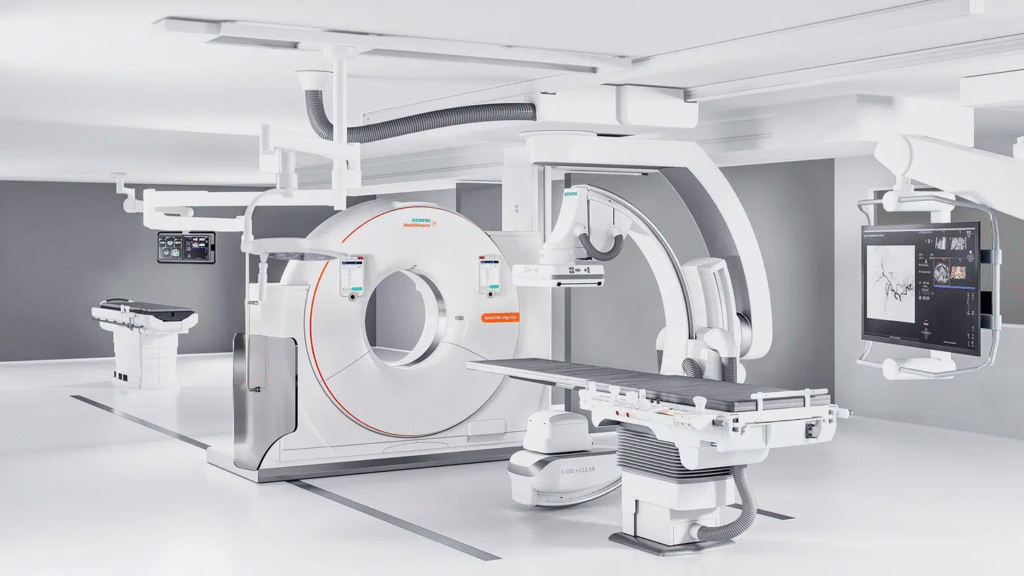
2. Key Characteristics of Radiological Devices
Radiological devices are essential tools in medical imaging, characterized by their ability to generate detailed images of the human body for diagnostic and therapeutic purposes. These devices incorporate advanced technologies and components that enhance their functionality and precision.
Structural Components:
- Gantry Design: Many devices feature a gantry that defines an analysis area, allowing for precise positioning of the patient and the imaging apparatus.
- Radiation Source and Detectors: Devices typically include a radiation source (e.g., X-ray generator) and detectors that capture the emitted radiation to create images.
Imaging Technology:
- Pixel Arrangement: Modern radiographic devices utilize sensors with multiple pixels arranged in rows and columns, enabling high-resolution image capture.
- Control Systems: Advanced control systems allow for intelligent operation, adjusting imaging modes and optimizing exposure settings for various diagnostic needs.
Clinical Applications:
- Diagnostic Utility: Radiological devices play a crucial role in diagnosing medical conditions, providing visual representations that aid in clinical decision-making.
- Treatment Planning: They are also integral in planning and monitoring treatment, particularly in radiation therapy.
While radiological devices are pivotal in modern medicine, concerns regarding radiation exposure and the need for continuous technological advancements remain significant. Balancing the benefits of imaging with safety considerations is an ongoing challenge in the field.
3. Radiological Device Classes
Radiological devices can be classified into different categories based on their functionality and applications. Here are some common classes:
Diagnostic Radiological Devices:
- X-ray Machines: Used for imaging bones and organs.
- CT Scanners: Provide detailed cross-sectional images of the body.
- MRI Machines: Produce detailed images of soft tissues and organs.
- Ultrasound Machines: Create real-time images of internal structures.
- Mammography Machines: Specialized for breast imaging.
- Dental X-ray Machines: Specifically designed for dental imaging.
Nuclear Medicine Devices:
- Gamma Cameras: Capture images of gamma-ray emissions from radiopharmaceuticals.
- SPECT (Single Photon Emission Computed Tomography) Scanners: Used for three-dimensional imaging in nuclear medicine.
- PET (Positron Emission Tomography) Scanners: Detect positron emissions to visualize metabolic processes.
Fluoroscopy Devices:
- Fluoroscopy Machines: Provide real-time X-ray images for medical procedures.
- C-arm Machines: Mobile fluoroscopy units often used in surgery and interventions.
Therapeutic Radiological Devices:
- Radiation Therapy Machines: Deliver controlled doses of radiation to treat cancer and other medical conditions.
- Brachytherapy Devices: Use sealed radioactive sources for localized radiation treatment.
Dental Radiological Devices:
- Panoramic X-ray Machines: Capture panoramic images of the entire mouth.
- Intraoral X-ray Machines: Used for detailed images of individual teeth.
Portable Radiological Devices:
- Handheld X-ray Devices: Compact and portable units for specific applications, often used in emergency medicine.
4. The Role of Biomedical Engineers in Radiology
Biomedical engineers are crucial to the development, operation, and maintenance of radiological devices. Their responsibilities include:
- Design and Innovation: Creating advanced imaging solutions to improve diagnostic accuracy.
- Maintenance and Calibration: Ensuring devices perform optimally and adhere to safety standards.
- Regulatory Compliance: Assisting in the certification of devices to meet international standards.
5. Emerging Trends in Radiological Technology
The field of radiology is constantly evolving, with groundbreaking innovations shaping the future of medical imaging.
Notable Trends:
- Artificial Intelligence: AI-driven imaging tools for faster and more accurate diagnosis.
- 3D and 4D Imaging: Enhanced visualization for surgical planning.
- Portable Imaging Devices: Increasing accessibility in remote areas.
6. Ethical Considerations in Radiology
Ethical practices are critical when working with radiological devices. Biomedical engineers must ensure:
- Patient Privacy: Protecting sensitive health data.
- Informed Consent: Providing clear information about imaging procedures.
- Risk Minimization: Reducing exposure to radiation wherever possible.
Conclusion
Radiological devices are at the forefront of medical innovation, offering unparalleled capabilities in diagnosing and treating diseases. For biomedical engineers, mastering the principles, technologies, and ethical practices surrounding these devices is essential. By staying informed about emerging trends and continuously honing their skills, engineers can make significant contributions to the advancement of healthcare and improve patient outcomes. Radiological engineering is a challenging yet rewarding field, and its impact on the future of medicine is undeniable.
References
1- Shi, Zhiye. (2017). 2. Medical radiological device.
2- Damiano, Fortuna., Leonardo, Manetti., Giulio, Raimondi., Giovanni, De, Santis. (2016). 1. Radiological imaging device.
3- Iijima, Tadahiko. (2015). 4. Radiographic imaging device, radiographic imaging system, method for controlling radiographic imaging device, and program.
4- Yasunori, Ohta., Naoyuki, Nishino., Haruyasu, Nakatsugawa., Fumito, Nariyuki., Shinji, Imai. (2011). 5. Radiological imaging device.