
What Are Cardiovascular Devices? All You Need to Know as a Biomedical Engineer
Cardiovascular devices are at the heart of modern healthcare technology, designed to diagnose, monitor, and treat heart and blood vessel conditions. With cardiovascular diseases being the leading cause of death worldwide, these devices play a crucial role in saving lives and improving patient quality of life. As a biomedical engineer, understanding the design, functionality, and applications of cardiovascular devices is essential. This article provides a comprehensive guide to the key features, classifications, and the role of biomedical engineers in this field.
1. Introduction to Cardiovascular Devices
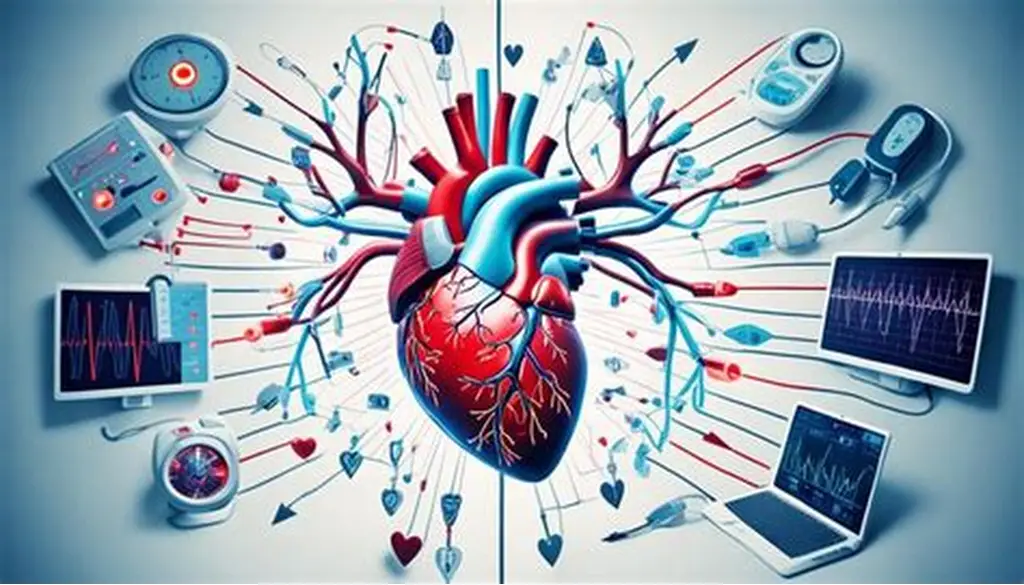
Cardiovascular devices encompass a wide range of medical technologies aimed at addressing conditions related to the heart and circulatory system. These devices are vital in cardiology and cardiovascular surgery, offering solutions that span from diagnostics to life-saving treatments.
Importance of Cardiovascular Devices:
- Disease Management: Aiding in the early detection and management of cardiovascular diseases (CVDs).
- Life Support: Providing critical support for patients with severe cardiac conditions.
- Technological Innovation: Pushing the boundaries of healthcare with advancements in design and functionality.
2. Key Characteristics of Cardiovascular Devices
Cardiovascular devices are characterized by their precision, reliability, and ability to interact with the delicate cardiovascular system. Key features include:
Structural Components:
- Biocompatibility: Materials used must be compatible with human tissue to avoid adverse reactions.
- Miniaturization: Many devices, like pacemakers and stents, are designed to be minimally invasive.
Functional Capabilities:
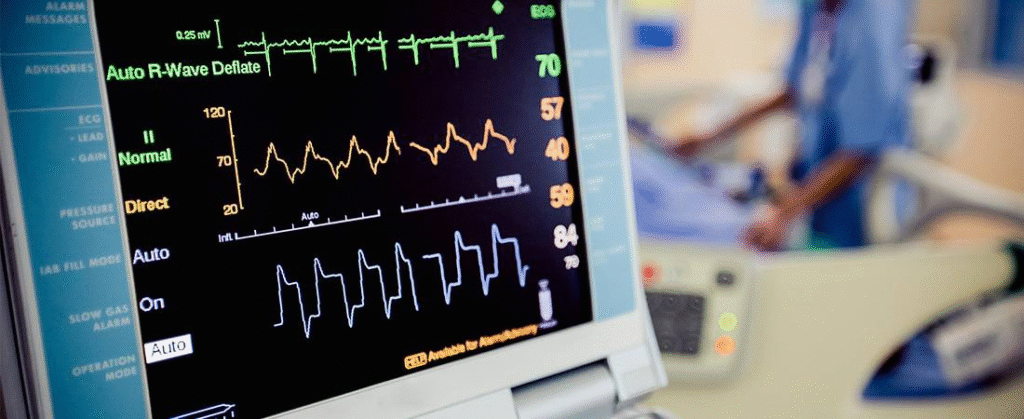
- Diagnostic Accuracy: Devices like ECG machines provide precise readings of heart activity.
- Therapeutic Intervention: Examples include defibrillators and heart pumps that support or restore cardiac function.
Technological Integration:
- Wireless Connectivity: Modern devices often feature wireless capabilities for real-time monitoring.
- AI Integration: Some devices use artificial intelligence for predictive diagnostics and personalized treatment.
3. Types of Cardiovascular Devices
Cardiovascular devices are categorized based on their function and application. Below are the main classes:
Diagnostic Devices:
- Electrocardiogram (ECG) Machines: Measure electrical activity of the heart.
- Echocardiography Systems: Use ultrasound to visualize heart structures and functions.
- Holter Monitors: Portable devices for continuous ECG monitoring over 24-48 hours.
- Blood Pressure Monitors: Measure arterial blood pressure.
Therapeutic Devices:
- Pacemakers: Regulate abnormal heart rhythms.
- Implantable Cardioverter Defibrillators (ICDs): Deliver shocks to restore normal heart rhythm in case of arrhythmias.
- Stents: Tiny mesh tubes used to open blocked arteries.
- Heart Pumps: Assist in pumping blood for patients with severe heart failure.
Monitoring Devices:
- Wearable Monitors: Track heart rate and rhythm in real-time.
- Telehealth Systems: Enable remote monitoring and data collection.
Surgical Devices:
- Heart-Lung Machines: Provide circulatory and respiratory support during cardiac surgery.
- Catheters: Used for diagnostic and therapeutic interventions within the cardiovascular system.
4. The Role of Biomedical Engineers in Cardiovascular Technology
Biomedical engineers are instrumental in the development and maintenance of cardiovascular devices. Their contributions include:
Design and Development:
- Creating innovative solutions that meet clinical needs.
- Ensuring devices are safe, effective, and biocompatible.
Testing and Quality Assurance:
- Conducting rigorous testing to meet regulatory standards.
- Ensuring long-term reliability and durability.
Maintenance and Troubleshooting:
- Providing technical support and maintenance for installed devices.
- Resolving device malfunctions to ensure uninterrupted patient care.
5. Advancements in Cardiovascular Device Technology
The field of cardiovascular devices is evolving rapidly, driven by technological advancements. Key trends include:
Miniaturization:
- Devices are becoming smaller, enabling less invasive procedures and improving patient comfort.
Smart Technology:
- Integration of AI and IoT for better diagnostics and personalized treatment.
- Smart wearable devices that provide continuous monitoring.
Regenerative Medicine:
- Devices that support or enhance tissue regeneration, such as bioengineered heart valves.
6. Challenges in Cardiovascular Device Development
Despite significant advancements, several challenges persist:
Regulatory Compliance:
- Meeting stringent international standards for safety and efficacy.
Biocompatibility Issues:
- Ensuring long-term compatibility with the human body.
Cost and Accessibility:
- Reducing costs to make advanced devices accessible in low-income regions.
7. Ethical Considerations in Cardiovascular Devices
Ethical practices are essential when designing and implementing cardiovascular devices. Biomedical engineers must:
- Prioritize Patient Safety: Minimize risks associated with device failure.
- Ensure Accessibility: Strive to make devices affordable and available to all.
- Maintain Transparency: Provide clear information about device risks and benefits.
Conclusion
Cardiovascular devices are indispensable in the fight against heart disease, offering tools for diagnosis, treatment, and monitoring that save lives daily. For biomedical engineers, mastering the technical, regulatory, and ethical aspects of these devices is vital. By staying abreast of technological advancements and addressing ongoing challenges, engineers can contribute to the innovation and improvement of cardiovascular care. The field promises exciting opportunities for those dedicated to improving heart health through cutting-edge technology.