
1. Introduction
X-ray machines have revolutionized the field of medicine, providing a non-invasive method to visualize the internal structures of the body. They play a crucial role in diagnosing various conditions, from bone fractures to complex diseases, enhancing the accuracy and efficiency of medical care.
2. Device Overview
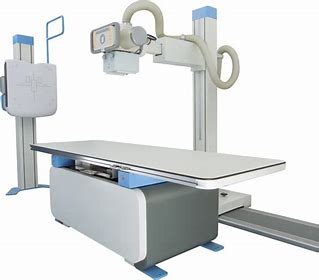
An X-ray machine is a device that uses electromagnetic radiation to produce images of the internal structures of the body. The primary components of an X-ray machine include:
- X-ray Tube: Generates X-rays by accelerating electrons toward a metal anode, producing radiation upon impact.
- Control Panel: Allows the operator to adjust settings such as voltage, current, and exposure time to obtain optimal images.
- Image Detection System: Captures the X-rays that pass through the body to create an image, traditionally on film, but now more commonly via digital detectors.
The purpose of an X-ray machine is to enable healthcare providers to see inside the body without making an incision, facilitating the diagnosis and monitoring of various medical conditions.
3. Clinical Applications
X-ray machines are indispensable in modern medicine, aiding in the diagnosis and treatment of numerous conditions:
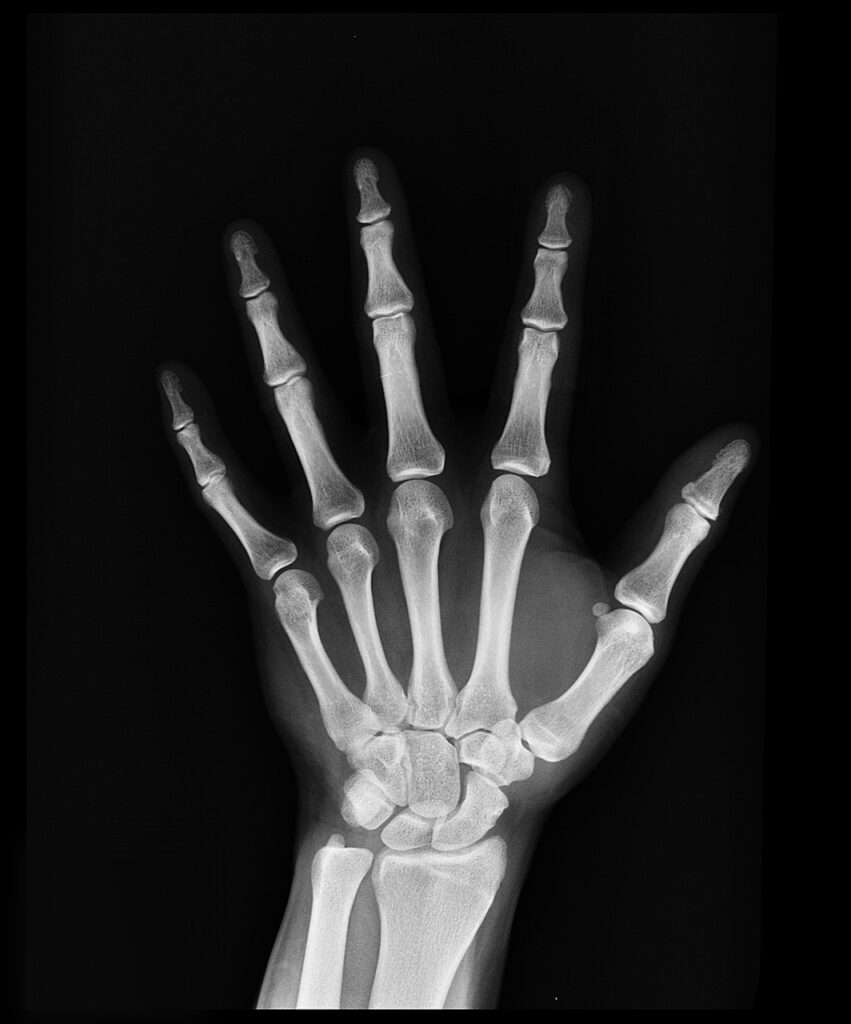
- Fractures and Bone Injuries: X-rays can clearly reveal breaks, fractures, and other abnormalities in bones.
- Dental Assessments: Dentists use X-rays to detect cavities, tooth decay, and other oral health issues.
- Chest Examinations: Identifying lung infections, such as pneumonia, and monitoring heart conditions.
- Arthritis Diagnosis: Assessing joint spaces and detecting signs of arthritis.
- Detection of Foreign Objects: Locating foreign bodies that may have been ingested or embedded in tissues.
4. Advantages and Features
X-ray machines offer several benefits that make them a staple in medical diagnostics:
- Non-Invasive Imaging: Provides internal images without the need for surgery.
- Quick Results: X-ray imaging is fast, often providing immediate results for prompt diagnosis.
- High Resolution: Capable of producing detailed images of bones and certain tissues.
- Wide Availability: X-ray machines are commonly found in hospitals, clinics, and dental offices, making them accessible for many patients.
5. Technology Behind the Device
The Science Powering X-Ray Machines
X-ray machines operate based on the principles of electromagnetic radiation. When the X-ray tube’s cathode is heated, it emits electrons that are accelerated toward the anode. Upon striking the anode, these high-energy electrons produce X-rays. These X-rays pass through the body and are absorbed at different rates by various tissues, creating a contrast that is captured by the detection system to form an image.
6. Regulatory Compliance and Safety
X-ray machines are subject to stringent regulations to ensure patient and operator safety:
- Regulatory Approvals: In the United States, the Food and Drug Administration (FDA) oversees the safety and effectiveness of X-ray devices.
- Safety Measures: Modern X-ray machines incorporate features such as lead shielding and automatic exposure controls to minimize radiation exposure.
- Operator Training: Proper training for technicians is mandated to ensure correct usage and adherence to safety protocols.
7. Challenges and Limitations
While X-ray machines are invaluable, they do have certain limitations:
- Radiation Exposure: Although minimal, there is a risk associated with repeated exposure to ionizing radiation.
- Limited Soft Tissue Contrast: X-rays are less effective at distinguishing between different types of soft tissues compared to other imaging modalities like MRI.
- Potential for Misinterpretation: Artifacts or positioning errors can lead to incorrect diagnoses if not properly accounted for.
8. Future Prospects
Advancements in X-ray technology continue to enhance its capabilities:
- Digital Imaging: Improves image quality and allows for easier storage and sharing of images.
- Dose Reduction Technologies: Developments aimed at minimizing radiation exposure while maintaining image quality.
- Portable X-Ray Machines: Enabling bedside imaging and use in remote locations, increasing accessibility.
- Integration with Artificial Intelligence: AI algorithms are being developed to assist in image interpretation, improving diagnostic accuracy.
9. Conclusion
X-ray machines have become an integral part of medical diagnostics, offering a quick, non-invasive, and effective means to visualize the internal structures of the body. Their continued evolution promises even greater enhancements in patient care, with advancements focusing on safety, accessibility, and diagnostic precision. Staying informed about these developments is essential for healthcare professionals and patients alike, as X-ray technology continues to play a pivotal role in shaping the future of healthcare.
References
Nur, Hudha, Wijaya., Anton, Yudhana., Robiyansah., Djoko, Sukwono. (2021). 1. X-Ray machine control with wireless based on mA parameters. doi: 10.1088/1757-899X/1088/1/012080
Mubarak, Taiwo, Mustapha., Berna, Uzun., Dilber, Uzun, Ozsahin., Dilber, Uzun, Ozsahin., Ilker, Ozsahin., Ilker, Ozsahin. (2021). 2. A comparative study of X-ray based medical imaging devices. doi: 10.1016/B978-0-12-824086-1.00011-6
Liu, Yong., Xiong, Jing., Liang, Hongsi., Gan, Zhijian., Xia, Zeyang. (2018). 4. X-ray machine, and method and device for adjusting rotation center of x-ray machine.
Things to Know About X Ray Machine Parts and Functions. (n.d.). https://www.seamarkzm.com/components-and-features-of-electronics-xray-machines.html?utm
X-ray: Imaging test quickly helps find diagnosis – Mayo Clinic. (n.d.). https://www.mayoclinic.org/tests-procedures/x-ray/about/pac-20395303?utm
Facts About X-Rays. (2024). https://www.cdc.gov/radiation-health/data-research/facts-stats/x-rays.html?utm
How does an X-Ray machine work? What are the main components of an X-Ray unit? (2019). https://www.primedeq.com/blog/how-does-an-x-ray-machine-work-what-are-the-main-components-of-an-x-ray-unit/?utm
Things to Know About X Ray Machine Parts and Functions. (n.d.). https://www.seamarkzm.com/components-and-features-of-electronics-xray-machines.html?utm_source=chatgpt.com
Our constant partner in the ongoing effort to provide accurate and reliable scientific content..
SciSpace: The fastest research platform ever designed. All-in-one AI tools for students and researchers.