Best Biomedical Engineering Books for Beginners
Biomedical engineering is one of the fastest-growing and most exciting fields in modern science. It combines medicine, biology, physics, electronics, programming, and engineering to improve healthcare technologies and patient care. Whether you want to design prosthetic limbs, develop medical imaging systems, work on artificial organs, or create healthcare software, choosing the right biomedical engineering books is one of the smartest ways to start your journey.
For beginners, the challenge is not only understanding the science but also learning how all these disciplines connect. That is why selecting the best biomedical engineering textbooks matters so much. A good textbook simplifies difficult concepts, introduces real-world applications, and helps students build confidence step by step.
In this comprehensive guide, you will discover the best books for biomedical engineering beginners, including textbooks, programming guides, practical references, and free learning resources.
Why Biomedical Engineering Students Need Good Books
Biomedical engineering is highly interdisciplinary. Unlike traditional engineering majors that focus mainly on one area, biomedical engineering combines:
- Human biology
- Electronics
- Physics
- Programming
- Mechanics
- Medical technology
- Data analysis
Because of this complexity, beginners often feel overwhelmed during their first year of study. Good biomedical engineering books help students:
Build Strong Fundamentals
A beginner-friendly textbook explains anatomy, physiology, electronics, biomechanics, and biomaterials in simple language before introducing advanced topics.
Connect Theory with Real Applications
The best books show how engineering principles are used in hospitals, prosthetics, imaging devices, and medical research.
Improve Problem-Solving Skills
Engineering requires analytical thinking. Quality textbooks include examples, exercises, diagrams, and case studies that help students practice real biomedical engineering problems.
Prepare for Future Careers
Whether you want to work in:
- Medical device design
- Artificial intelligence in healthcare
- Biomechanics
- Rehabilitation engineering
- Bioinformatics
- Clinical engineering
You need a strong foundation from reliable resources.
Experts and educators often recommend beginner-focused biomedical engineering texts because they make difficult concepts easier to understand.
Best Textbooks for Beginners
Below are the most recommended biomedical engineering books for beginners. These books are widely used in universities and praised by professors, engineers, and students.
1. Introduction to Biomedical Engineering — John Enderle & Joseph Bronzino
Introduction to Biomedical Engineering

This is one of the most widely used biomedical engineering textbooks in universities worldwide. It introduces students to nearly every major area in the field.
Why It’s Useful
- Beginner-friendly explanations
- Covers anatomy, physiology, imaging, biomechanics, and instrumentation
- Excellent diagrams and examples
- Great balance between theory and application
This book is ideal for first-year biomedical engineering students because it explains complex ideas without overwhelming technical detail.
According to Elsevier, it remains one of the most adopted biomedical engineering textbooks due to its comprehensive coverage.
2. Biomedical Engineering: Bridging Medicine and Technology — W. Mark Saltzman
Biomedical Engineering: Bridging Medicine and Technology

This book is frequently recommended for students who want a modern introduction to biomedical engineering.
Why It’s Useful
- Explains biomedical engineering in a highly readable style
- Focuses on real medical technologies
- Includes modern innovations like tissue engineering and drug delivery
- Strong biological foundation for engineers
MIT professor Robert Langer described this book as a “gold standard” for biomedical engineering education because of its clarity and engaging explanations.
3. Biomedical Engineering Fundamentals — Joseph D. Bronzino
Biomedical Engineering Fundamentals

This book is part of the famous Biomedical Engineering Handbook series.
Why It’s Useful
- Deep introduction to biomedical engineering principles
- Covers signal processing, biomechanics, biomaterials, and imaging
- Excellent reference for long-term learning
- Suitable for beginners transitioning into advanced topics
It is more detailed than introductory textbooks, making it valuable for students who want a comprehensive resource.
A Springer review highlighted the handbook’s importance and extensive coverage across biomedical engineering topics.
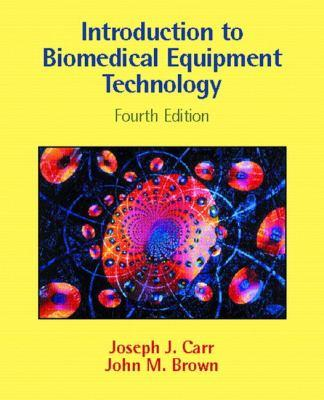
4. Introduction to Biomedical Engineering Technology — Joseph Carr & John Brown
Introduction to Biomedical Engineering Technology
This book focuses more on medical equipment and clinical applications.
Why It’s Useful
- Great for understanding hospital technologies
- Easy-to-follow explanations
- Covers diagnostic devices and instrumentation
- Helpful for students interested in clinical engineering
If you enjoy electronics and healthcare devices, this is an excellent starting point.
5. Biomedical Engineering Design — Joseph Bronzino
Biomedical Engineering Design
This book focuses on solving medical problems using engineering design principles.
Why It’s Useful
- Teaches practical engineering thinking
- Includes real biomedical case studies
- Excellent for project-based learning
- Helps students understand innovation processes
This is especially useful for students working on design projects or medical device development.
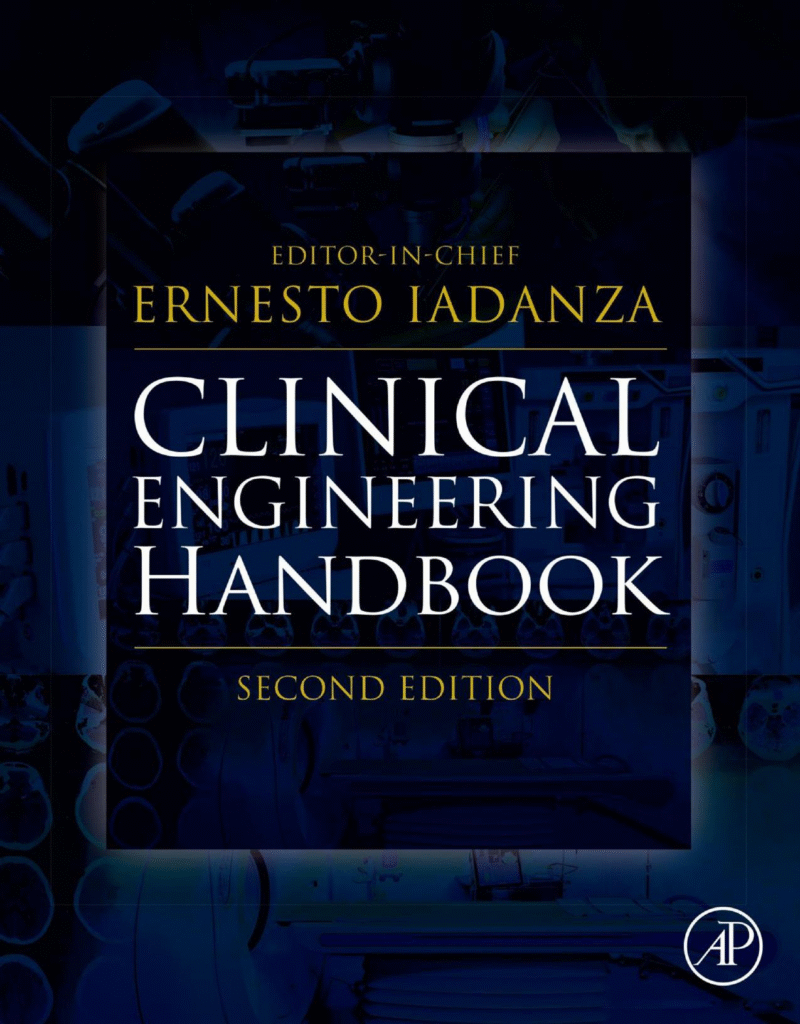
6. Clinical Engineering Handbook — Ernesto Iadanza
Clinical Engineering Handbook
Clinical engineering is a major biomedical engineering specialization focused on hospital equipment management.
Why It’s Useful
- Explains real hospital technologies
- Introduces safety standards and regulations
- Helps students understand healthcare systems
- Valuable for career preparation
This book is slightly more advanced but still accessible for motivated beginners.
7. Fundamentals of Medicine for Biomedical Engineering — Hamid Hosseinzadeh
Fundamentals of Medicine for Biomedical Engineering
Biomedical engineers must understand medicine and human physiology.
Why It’s Useful
- Simplifies medical concepts for engineers
- Covers anatomy and disease basics
- Connects medicine with engineering applications
- Excellent for students without biology backgrounds
This book is ideal for engineering students who feel weak in medical sciences.
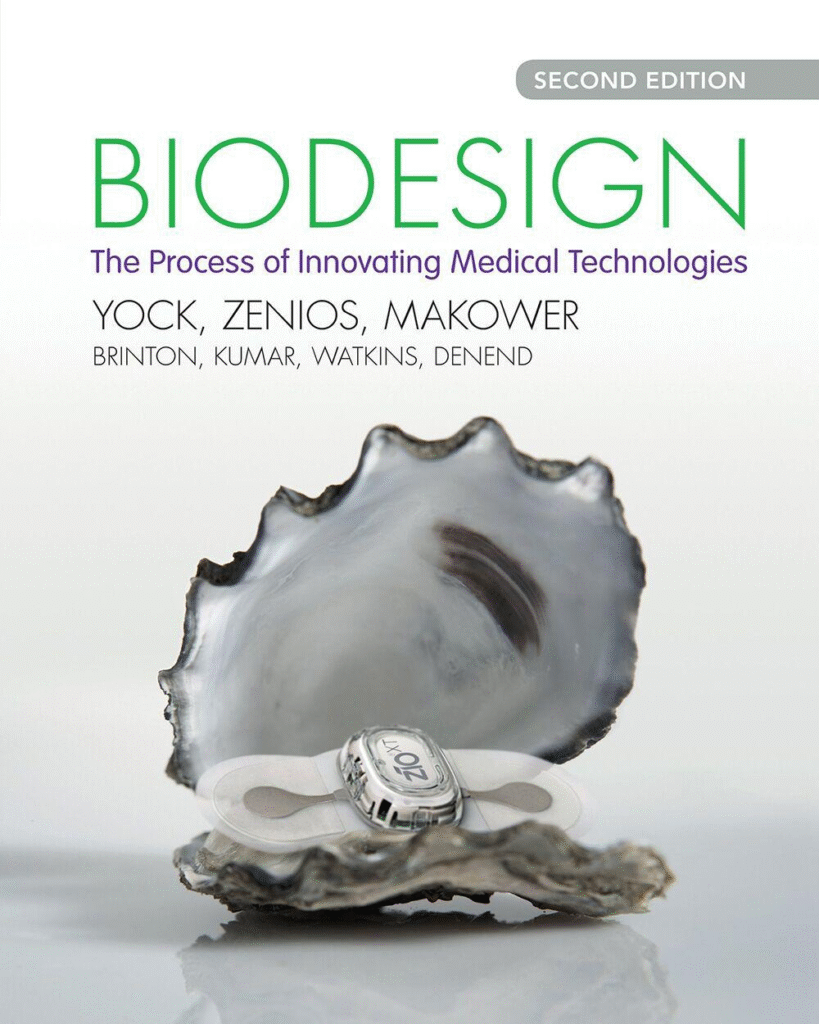
8. Biodesign: The Process of Innovating Medical Technologies
Biodesign: The Process of Innovating Medical Technologies
Many biomedical engineering students struggle to understand how ideas become real medical devices.
Why It’s Useful
- Focuses on innovation and entrepreneurship
- Teaches medical technology development
- Explains design thinking
- Includes real-world healthcare examples
Reddit biomedical engineering communities frequently recommend this book for beginners interested in medical innovation.
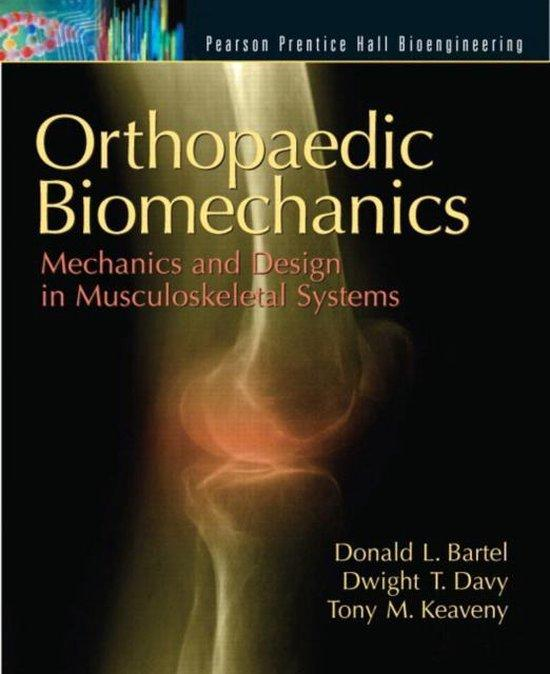
9. Orthopaedic Biomechanics — Don Bartel
Orthopaedic Biomechanics
This book introduces biomechanics and prosthetic design.
Why It’s Useful
- Great for students interested in prosthetics
- Explains movement mechanics clearly
- Connects physics with medicine
- Strong practical examples
Students interested in rehabilitation engineering and artificial joints often recommend this book.
10. Materials for Biomedical Engineering — Mohamed Rahaman
Materials for Biomedical Engineering
Biomaterials are essential in implants, tissue engineering, and medical devices.
Why It’s Useful
- Covers biomaterials fundamentals
- Beginner-friendly introduction to implants and tissue compatibility
- Explains modern biomedical materials
- Includes real healthcare applications
The book provides an accessible introduction to biomaterials used in modern medicine.
Best Practical and Programming Books
Modern biomedical engineers must understand programming and data analysis. These books help beginners develop practical technical skills.
11. Python for Data Analysis — Wes McKinney
Python for Data Analysis
Why It’s Useful
- Excellent introduction to Python
- Helps with biomedical data analysis
- Covers NumPy and Pandas
- Useful for AI and machine learning applications
Python is heavily used in medical imaging, bioinformatics, and healthcare AI.
12. MATLAB for Engineers — Holly Moore
MATLAB for Engineers
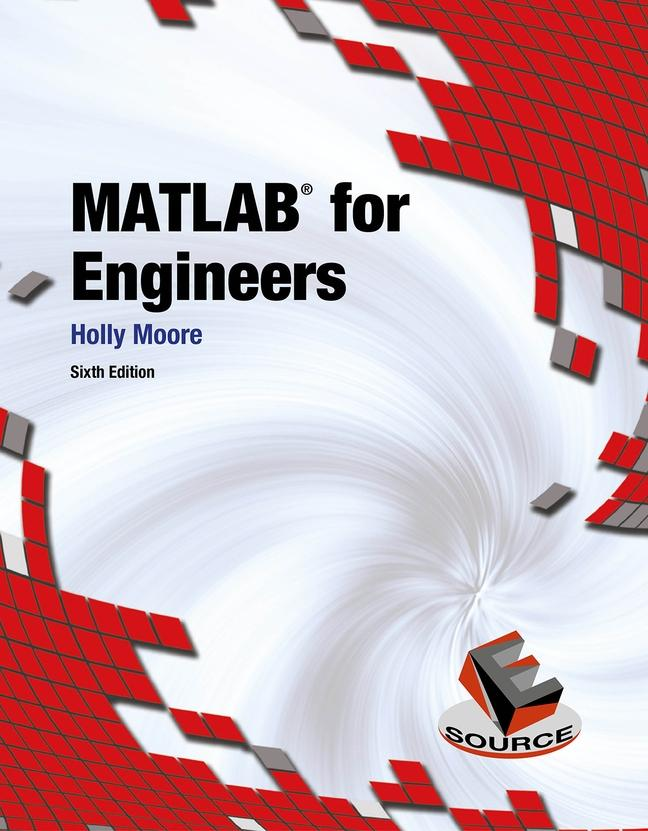
Why It’s Useful
- Beginner-friendly MATLAB guide
- Useful for biomedical signal processing
- Includes engineering examples
- Helps students analyze physiological signals
MATLAB is still widely used in biomedical engineering education.
13. Medical Instrumentation: Application and Design — John G. Webster
Medical Instrumentation: Application and Design
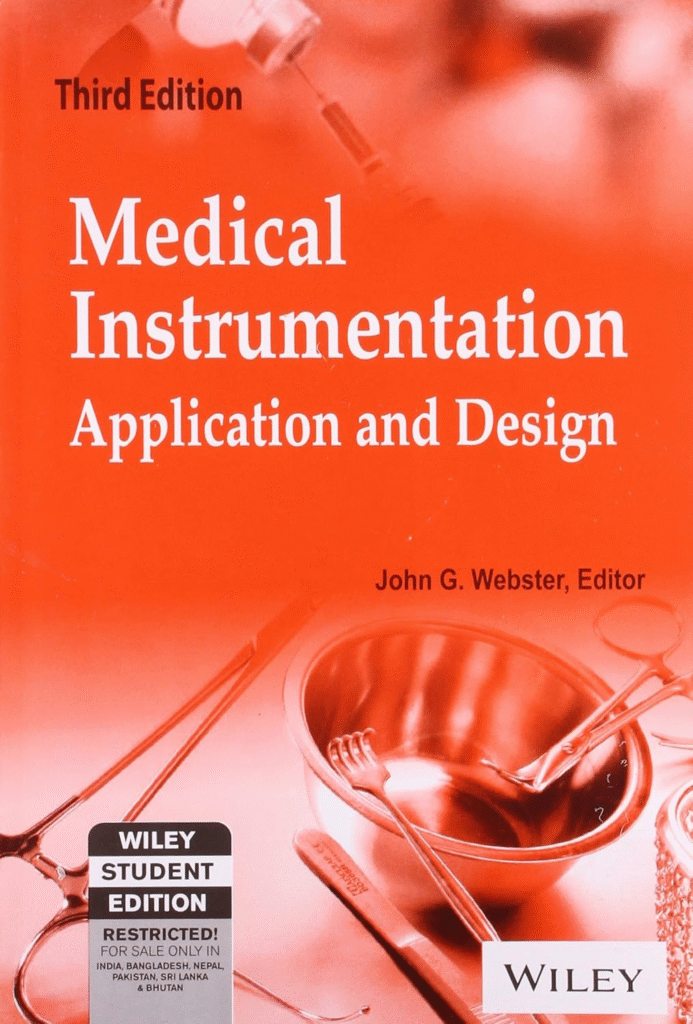
Why It’s Useful
- Explains medical devices clearly
- Covers ECG, EEG, sensors, and instrumentation
- Excellent practical engineering examples
- Industry-standard reference
This is one of the best books for students interested in biomedical electronics.
14. Practical Statistics for Data Scientists
Practical Statistics for Data Scientists
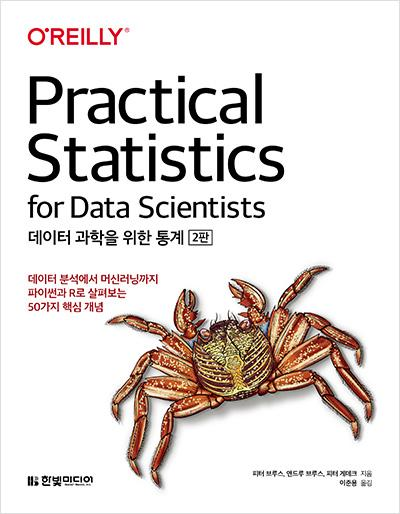
Why It’s Useful
- Simplifies statistics for beginners
- Essential for medical research
- Helps with healthcare data interpretation
- Important for AI and machine learning
Statistics is a critical skill in biomedical engineering research. Reddit biomedical communities strongly recommend learning statistics early.
Free Resources and PDFs
Learning biomedical engineering does not always require expensive textbooks. Many free resources are available online.
1. MIT OpenCourseWare
MIT offers free biomedical engineering lectures, assignments, and course notes.
2. Coursera Biomedical Engineering Courses
You can find beginner biomedical engineering courses from universities worldwide.
3. edX Engineering Courses
Provides free engineering and medical technology courses.
4. NCBI Bookshelf
Offers free biomedical and medical science textbooks.
5. PubMed
The best resource for biomedical research papers and scientific literature.
6. Khan Academy
Excellent for learning biology, physics, and chemistry fundamentals.
Conclusion
Choosing the right biomedical engineering books can dramatically improve your learning experience. Beginners should focus on books that explain concepts clearly, provide real-world examples, and connect engineering with medicine.
If you are just starting, begin with:
- Introduction to Biomedical Engineering
- Biomedical Engineering: Bridging Medicine and Technology
- Biomedical Engineering Fundamentals
Then gradually move toward programming, biomechanics, medical instrumentation, and biomaterials.
The best approach for mastering biomedical engineering for beginners is:
- Build strong fundamentals
- Learn programming early
- Practice solving engineering problems
- Explore real medical technologies
- Read consistently
Biomedical engineering is one of the most rewarding engineering fields because it directly improves human health and quality of life. With the right textbooks, dedication, and curiosity, you can build a strong foundation for a successful career in this rapidly growing industry.