How to choose the best Home Blood Pressure Monitor: Expert Analysis and Top 3 Models of 2026
Table of Contents
1.Introduction: Why Blood Pressure Monitoring Matters
2.Understanding Blood Pressure: The Biomedical Engineering Perspective
3.How Oscillometric Blood Pressure Monitors Work
4.Who Needs a Home Blood Pressure Monitor?
5.When to Monitor Your Blood Pressure
6.Understanding the Numbers: Systolic vs. Diastolic
7.Upper Arm vs. Wrist Monitors: An Engineer’s Analysis
8.Key Features to Look for in a Quality Blood Pressure Monitor
9.FDA Clearance, CE Marking, and Validation Standards Explained
10.Top 3 Blood Pressure Monitors on Amazon: Detailed Comparison
11.Model 1: OMRON Evolv BP7000 – The Premium Choice
12.Model 2: iHealth Clear CNB-2002 – The Smart Home Hub
13.Model 3: Greater Goods Balance 0602 – The Budget Champion
14.Side-by-Side Comparison Table
15.Common Mistakes to Avoid When Measuring Blood Pressure
16.Maintenance and Calibration: Ensuring Long-Term Accuracy
17.Buying Guide: Which Monitor is Right for You?
18.Frequently Asked Questions
19.Conclusion
20.Sources and References
Introduction: Why Blood Pressure Monitoring Matters
Hypertension, often called the “silent killer,” affects approximately 1.28 billion adults worldwide according to the World Health Organization. What’s particularly alarming is that nearly half of these individuals don’t even know they have high blood pressure until it leads to serious complications like stroke, heart attack, or kidney failure.
The blood pressure monitor represents one of the most democratized pieces of medical technology in existence. Unlike expensive hospital-grade equipment that requires specialized training to operate, modern home blood pressure monitors are designed with the everyday user in mind. They combine sophisticated sensor technology with intuitive interfaces that allow anyone—from a concerned family member to a healthcare professional—to obtain accurate blood pressure readings in the comfort of their own home.
In this comprehensive guide, we will walk through everything you need to know about blood pressure monitors from an engineering perspective. We’ll explore the underlying technology that makes these devices work, understand why accuracy varies between models, and examine the top three devices currently available on Amazon. By the end of this article, you’ll have the knowledge to make an informed decision about which blood pressure monitor best suits your needs, whether you’re a patient managing hypertension, a caregiver supporting a loved one, or a healthcare professional seeking reliable equipment for your practice.
Understanding Blood Pressure: The Biomedical Engineering Perspective
To truly understand blood pressure monitors, we need to first understand what we’re measuring. Blood pressure is the force exerted by circulating blood against the walls of the body’s main arteries. This pressure is generated by the heart’s pumping action and is essential for delivering oxygen and nutrients to all tissues throughout the body.
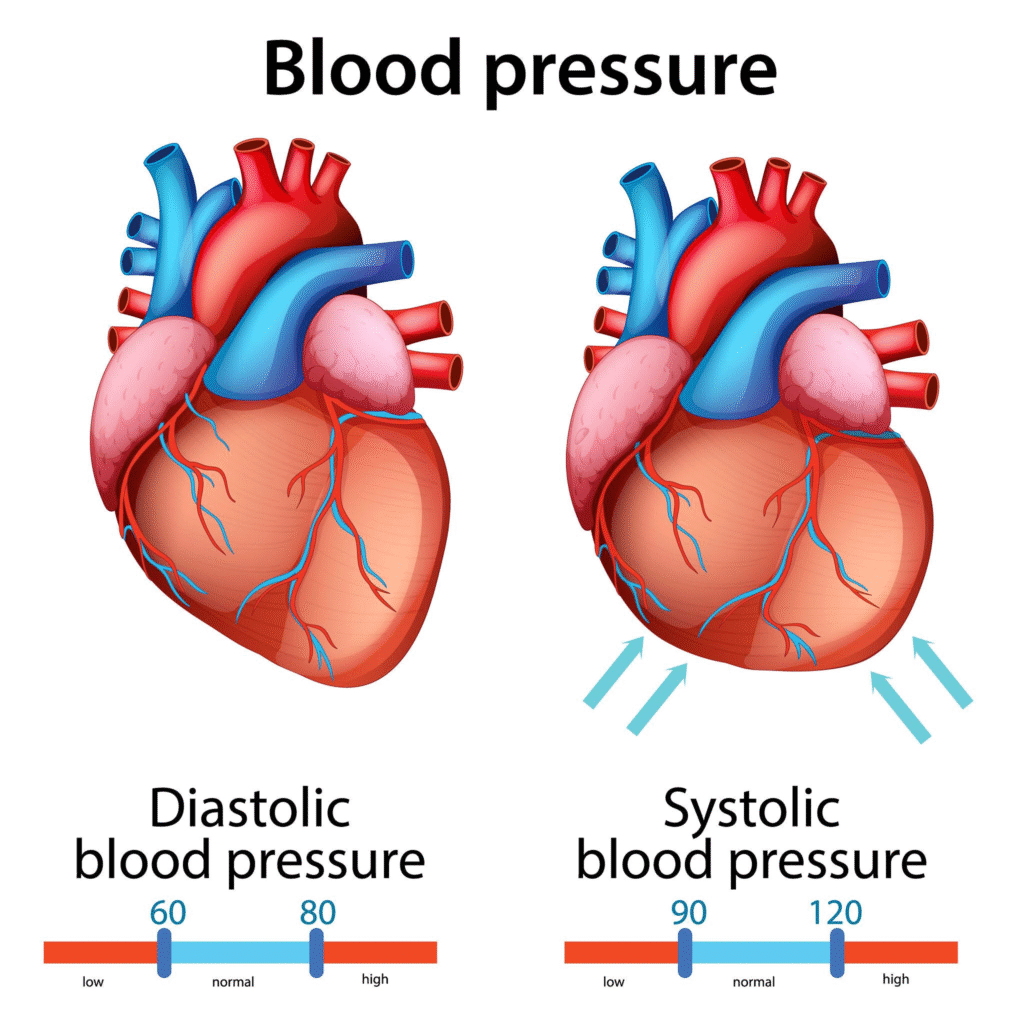
Blood pressure is expressed in millimeters of mercury (mmHg) and consists of two numbers displayed in the format of 120/80 mmHg. The first and larger number is called systolic pressure, which measures the maximum pressure in your arteries when your heart contracts and pushes blood out. The second number, called diastolic pressure, measures the minimum pressure in your arteries when your heart rests between beats.
From an engineering standpoint, the cardiovascular system can be modeled as a hydraulic system with a pump (the heart), a network of pipes (blood vessels), and a fluid (blood). The pressure generated by the heart’s contraction must be sufficient to overcome the resistance offered by the peripheral vessels to ensure adequate perfusion of all organs. When this pressure becomes abnormally high over sustained periods, it creates excessive stress on the arterial walls, leading to damage that can result in atherosclerosis, aneurysms, and organ damage.
Blood Pressure Categories (According to American Heart Association)
| Category | Systolic (mmHg) | Diastolic (mmHg) | |
|---|---|---|---|
| Normal | Less than 120 | and | Less than 80 |
| Elevated | 120-129 | and | Less than 80 |
| High Blood Pressure Stage 1 | 130-139 | or | 80-89 |
| High Blood Pressure Stage 2 | 140 or higher | or | 90 or higher |
| Hypertensive Crisis | Higher than 180 | and/or | Higher than 120 |
Understanding these categories is crucial because even small reductions in blood pressure can significantly impact your risk of cardiovascular events. Research published in the Lancet has shown that lowering systolic blood pressure by just 10 mmHg can reduce the risk of major cardiovascular events by 20%.
How Oscillometric Blood Pressure Monitors Work
The technology behind modern digital blood pressure monitors is fascinating from an engineering perspective. While traditional mercury sphygmomanometers rely on a trained observer listening to Korotkoff sounds through a stethoscope, modern oscillometric devices use sophisticated algorithms to automatically determine blood pressure.
The Oscillometric Method: Step-by-Step
- Cuff Inflation: The cuff wraps around your upper arm and is inflated by an electric pump. The inflation pressure is typically set to about 30-40 mmHg above your expected systolic pressure, though modern devices with rapid cuff technology can determine the appropriate inflation pressure automatically.
- Arterial Occlusion: As the cuff inflates, it compresses the brachial artery, temporarily stopping blood flow. At this point, no oscillations (vibrations) are detected because there is no blood flow through the artery.
- Controlled Deflation: The cuff then deflates gradually, typically at a rate of 2-3 mmHg per second (or sometimes step-wise for greater accuracy). This controlled deflation is critical—too fast and you lose measurement precision; too slow and the measurement becomes uncomfortable.
- Oscillation Detection: Inside the cuff bladder is a highly sensitive pressure transducer (usually a piezoresistive sensor) that detects the tiny pressure oscillations caused by the expansion and contraction of the arterial wall with each heartbeat. These oscillations are extremely subtle—typically representing only 1-2% of the cuff pressure.
- Signal Processing: The detected oscillations are amplified and processed by a microcontroller using proprietary algorithms. The device analyzes the amplitude of oscillations at different cuff pressures.
- Systolic and Diastolic Determination: Here’s where the engineering becomes particularly interesting. As cuff pressure decreases, the oscillations first increase in amplitude, reach a maximum at the mean arterial pressure, and then decrease again. The systolic pressure is calculated as the cuff pressure at which the oscillation amplitude reaches a certain threshold during the decreasing phase, while the diastolic pressure is calculated at another threshold point. Each manufacturer uses different algorithms for this determination, which is why accuracy can vary between brands.
- Result Display: The calculated systolic and diastolic values, along with pulse rate, are displayed on the screen. Most modern devices also include additional features like irregular heartbeat detection, which flags patterns that might indicate arrhythmia.
Technical Specifications You Should Know
- Measurement Range: Typically 20-280 mmHg for pressure and 40-199 beats per minute for pulse
- Accuracy: According to FDA standards, devices must be accurate within ±3 mmHg for pressure and ±5% for pulse
- Cuff Pressure Resolution: Modern devices can resolve pressure changes as small as 1 mmHg
Who Needs a Home Blood Pressure Monitor?
Home blood pressure monitoring is recommended for a surprisingly wide range of individuals. Let me break this down from both clinical and practical perspectives.
Primary Candidates
1. Patients Diagnosed with Hypertension
If you’ve been diagnosed with high blood pressure, home monitoring is no longer optional—it’s essential. The American Heart Association recommends home blood pressure monitoring for all individuals with diagnosed hypertension. Regular monitoring helps you and your healthcare provider:
- Assess the effectiveness of your medication
- Track trends over time
- Identify white-coat hypertension (elevated readings at the doctor’s office but normal at home)
- Detect masked hypertension (normal at doctor’s office but elevated at home)
2. Individuals with Prehypertension
With systolic readings between 120-129 or diastolic 80-84, you’re in the prehypertension category. Home monitoring helps you track whether your blood pressure is progressing to hypertension, allowing for early intervention through lifestyle modifications.
3. Pregnant Women
Preeclampsia is a serious condition that affects 2-8% of pregnancies worldwide. Regular blood pressure monitoring at home allows pregnant women to detect concerning patterns early. The American College of Obstetricians and Gynecologists recommends home blood pressure monitoring for women at risk for preeclampsia.
4. Older Adults
As we age, blood pressure regulation becomes more complex. Adults over 60 should consider home monitoring as part of their preventive health strategy. The isolated systolic hypertension common in older adults requires careful monitoring to guide treatment decisions.
5. Family History of Cardiovascular Disease
If your parents, siblings, or grandparents had heart disease, stroke, or hypertension, you’re at higher risk. Home monitoring provides early detection and empowers you to take preventive action.
6. Healthcare Professionals
Nurses, physicians, physical therapists, and other healthcare workers who need to monitor their own blood pressure throughout demanding shifts benefit from having a reliable home device. Many healthcare settings use validated home monitors as secondary verification tools.
Healthcare Setting Applications
For those working in healthcare:
- Clinics and Ambulatory Care: For triage and routine monitoring
- Home Healthcare Agencies: For patients receiving home care services
- Rehabilitation Centers: For tracking recovery progress
- Assisted Living Facilities: For resident monitoring programs
When to Monitor Your Blood Pressure
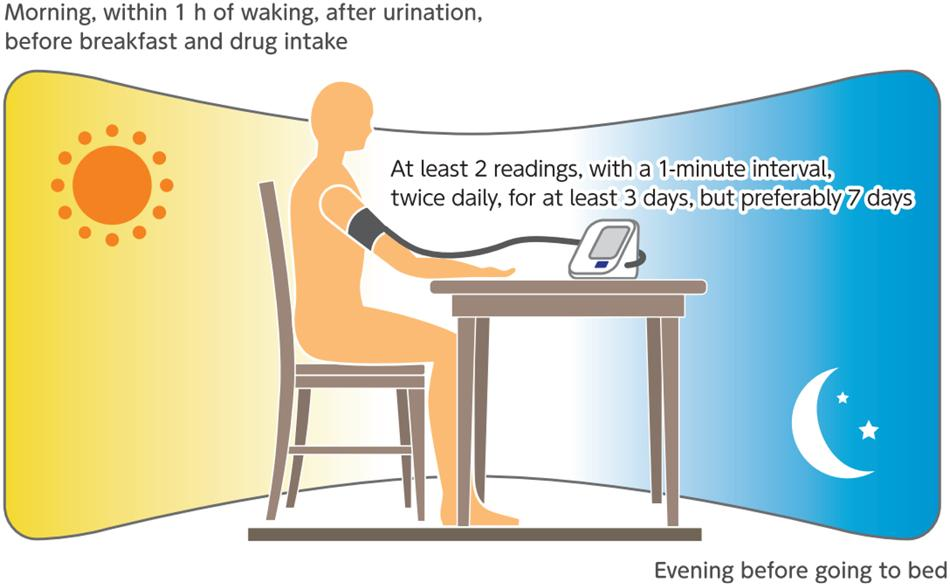
Timing matters significantly when it comes to blood pressure measurements. Blood pressure follows a circadian rhythm, typically peaking in the morning and reaching its lowest point during sleep. Here’s a structured approach to home monitoring:
Recommended Monitoring Schedule
| Time | Purpose | Conditions |
|---|---|---|
| Morning (before medication) | Assess baseline control | Empty bladder, seated for 5 minutes, no caffeine/tobacco |
| Evening (before dinner) | Assess afternoon/evening patterns | Same conditions as morning |
| Before medication (if applicable) | Assess untreated levels | For those not yet on medication |
| As directed by physician | Special monitoring | During medication adjustment or symptom tracking |
Special Circumstances Requiring Additional Monitoring
- After starting new medication: Monitor more frequently for the first two weeks
- During illness or stress: Blood pressure may be elevated
- After physical exertion: Avoid measuring immediately after exercise
- If experiencing symptoms: Dizziness, headaches, or visual changes warrant immediate checks
Understanding the Numbers: What Your Readings Mean
Let me explain this as I would to a new biomedical engineering student—simplifying the complex but maintaining accuracy.
Systolic Pressure (The Top Number)
This represents the maximum pressure generated when your heart contracts (systole). Think of it as the peak load your cardiovascular system experiences with each heartbeat. A systolic reading of 120 mmHg means that with each heartbeat, your heart is generating enough pressure to push a column of mercury 120 millimeters up a tube.
Why it matters:
- Sustained high systolic pressure (above 130) indicates increased risk of cardiovascular events
- In older adults, isolated systolic hypertension (high systolic with normal diastolic) is the most common form of hypertension
- Systolic pressure is generally more predictive of cardiovascular risk in adults over 50
Diastolic Pressure (The Bottom Number)
This represents the pressure remaining in your arteries when your heart is at rest between beats (diastole). It’s the baseline pressure against which each heartbeat must work.
Why it matters:
- Elevated diastolic pressure (above 80) often indicates peripheral vascular resistance
- In younger individuals, isolated diastolic hypertension is more common and also carries risk
- Both elevated systolic and diastolic pressures independently predict cardiovascular events
Mean Arterial Pressure (MAP)
While not typically displayed on home monitors, MAP is an important calculation:
MAP = Diastolic + (Systolic – Diastolic) / 3
MAP represents the average pressure throughout the cardiac cycle and is useful for assessing perfusion pressure to organs.
Upper Arm vs. Wrist Monitors: An Engineer’s Analysis
One of the most common questions I receive concerns the choice between upper arm and wrist monitors. Let me provide an evidence-based engineering perspective.
Upper Arm Monitors: The Gold Standard
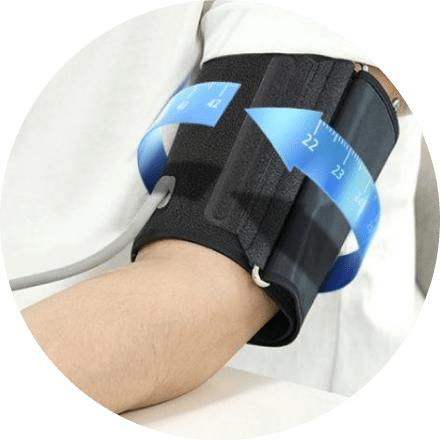
Advantages:
- Anatomical Positioning: The brachial artery at the upper arm is at roughly the same level as the heart, eliminating hydrostatic pressure errors that can occur with wrist monitors
- Validated Accuracy: The majority of clinically validated blood pressure monitors are upper arm models. Validation protocols from organizations like the Association for the Advancement of Medical Instrumentation (AAMI) and International Organization for Standardization (ISO) primarily target upper arm devices
- Larger Cuff Options: More easily accommodates larger arm sizes
- Proven Technology: The oscillometric method was developed and optimized for upper arm measurement
Disadvantages:
- More cumbersome to put on
- Larger and less portable
- Some users with mobility issues find application challenging
Wrist Monitors: Convenient but Compromised
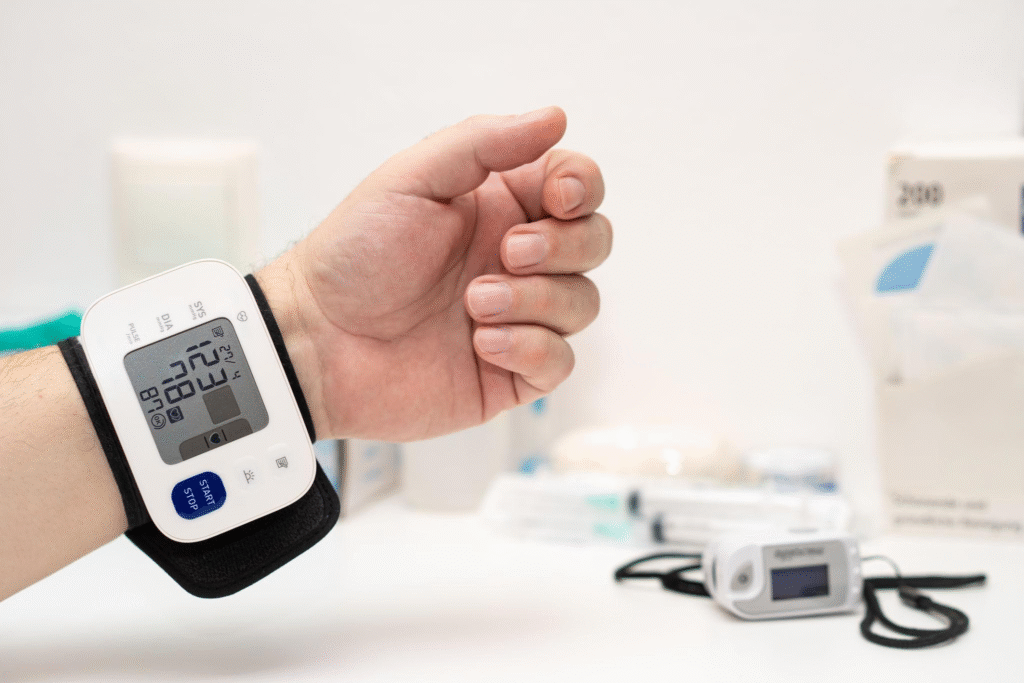
Advantages:
- Compact and highly portable
- Easier to apply for users with limited arm mobility or arthritis
- Some models offer continuous monitoring capability
- More discreet for travel
Disadvantages:
- Position Sensitivity: Must be held at heart level during measurement; even small height differences cause significant measurement errors (about 1.8 mmHg per inch of height difference)
- Peripheral Vascular Effects: Wrist blood vessels may be more affected by temperature, vasoconstriction, and peripheral arterial disease
- Higher Variability: Studies consistently show greater measurement variability compared to upper arm monitors
- Limited Validation: Fewer wrist devices have undergone rigorous clinical validation
Engineering Recommendation
From a biomedical engineering standpoint, I strongly recommend upper arm monitors for clinical use and any situation where accuracy is paramount. The minor convenience of wrist monitors does not justify the accuracy trade-offs. However, for users with severe arthritis, obesity, or other conditions that make upper arm cuff application difficult, a validated wrist monitor (with careful attention to proper positioning) is preferable to no monitoring at all.
The European Society of Cardiology/European Society of Hypertension guidelines specifically recommend upper arm devices for home blood pressure monitoring, citing superior accuracy and validation evidence.
Key Features to Look for in a Quality Blood Pressure Monitor
Here are the features that genuinely matter when selecting a blood pressure monitor.
1. Clinical Validation
This is non-negotiable. Look for devices that have been validated against established protocols such as:
- AAMI/ISO 81060-2 (international standard)
- ESH International Protocol
- VDL (ValidateBP.org) listing
A validated device has undergone rigorous testing to ensure its readings match those obtained by trained observers using reference methods.
2. Cuff Size and Fit
Cuff size is the most common source of inaccurate readings in clinical practice. A cuff that’s too small will give falsely high readings; one that’s too large will give falsely low readings.
How to measure: Use a tape measure to find your mid-upper arm circumference (halfway between your shoulder and elbow). Match this to the cuff size:
- Small: 8.6-10.2 inches (22-26 cm)
- Medium: 10.2-13.4 inches (26-34 cm)
- Large: 13.4-17.3 inches (34-44 cm)
- Extra Large: 17.3+ inches (44+ cm)
Many monitors include “one-size-fits-most” cuffs, but for accuracy, a properly sized cuff is essential.
3. Memory Capacity and User Profiles
If multiple family members need to track blood pressure, look for devices with:
- Multiple user profile support (typically 2-4 users)
- Large memory capacity (100+ readings per user)
- Date and time stamps on all readings
4. Connectivity and Apps
Modern monitors often include Bluetooth connectivity to smartphone apps, allowing:
- Automatic data sync and storage
- Trend analysis and graphing
- Data sharing with healthcare providers
- Integration with other health tracking apps
5. Averaging Functions
The most reliable method of home blood pressure monitoring involves taking multiple readings and averaging them. Look for devices that:
- Have a built-in averaging function (morning/evening averages)
- Prompt for repeat measurements when appropriate
- Calculate weekly/monthly averages automatically
6. Irregular Heartbeat Detection
Many modern devices include algorithms to detect arrhythmias during measurement. While not a diagnostic tool, this feature can alert users to potential cardiac issues that warrant medical attention.
7. Display Readability
For older users or those with visual impairments:
- Large number display (at least 0.5 inches tall)
- Backlit screen for low-light reading
- Color-coded indicators for easy interpretation
- Clear symbols and minimal text
FDA Clearance, CE Marking, and Validation Standards Explained
Understanding medical device regulations is crucial for making an informed purchase. Let me break this down in simple terms.
FDA Clearance (United States)
In the United States, the Food and Drug Administration (FDA) regulates blood pressure monitors as Class II medical devices. This means:
- 510(k) Cleared: Most consumer blood pressure monitors go through the 510(k) premarket notification pathway, where manufacturers demonstrate that their device is “substantially equivalent” to a legally marketed predicate device
- De Novo: Some novel devices use the De Novo pathway for new device types
- ** PMA:** The most rigorous approval pathway, required for high-risk devices (rarely used for home blood pressure monitors)
What FDA clearance means: The device has been reviewed by FDA scientists who determined it is safe and effective for its intended use. However, FDA clearance does not necessarily mean the device has been independently validated for accuracy.
CE Marking (European Union)
The CE mark indicates conformity with European health, safety, and environmental protection requirements:
- Medical Device Directive (MDD) 93/42/EEC: The previous framework, now being replaced
- Medical Device Regulation (MDR) 2017/745: The new regulation, which is more stringent
For blood pressure monitors, CE marking requires:
- Conformity assessment by a Notified Body
- Technical documentation demonstrating compliance
- Quality management system implementation (typically ISO 13485)
- Post-market surveillance
ISO 13485:2016
This is a quality management system standard specifically for medical device manufacturers:
- Covers design, development, production, and distribution
- Requires documented procedures and controls
- Mandates risk management (ISO 14971)
- Regular audits by certification bodies
When a manufacturer has ISO 13485 certification, it indicates they have a robust quality system in place, though it doesn’t guarantee individual product performance.
Clinical Validation Standards
AAMI/ISO 81060-2:2019
The international standard for non-invasive blood pressure monitors:
- Requires testing on at least 85 subjects
- Specifies accuracy criteria (±5 mmHg mean error, ±8 mmHg standard deviation)
- Includes protocols for different populations (elderly, obese, diabetic)
ESH International Protocol
Developed by the European Society of Hypertension:
- Stringent accuracy requirements
- Performance criteria based on ISO standards
- Widely used for validation testing
ValidateBP.org
A free resource maintained by the American Medical Association:
- Lists blood pressure devices that have been independently validated
- Includes clinical accuracy data
- Helps patients and clinicians find validated devices
Top 3 Blood Pressure Monitors on Amazon: Detailed Comparison
After extensive research, including reviewing clinical validation studies, consumer reports, manufacturer specifications, and user feedback, I’ve identified the top three blood pressure monitors currently available on Amazon. These selections represent different user needs and budgets while maintaining the highest standards of accuracy and reliability.
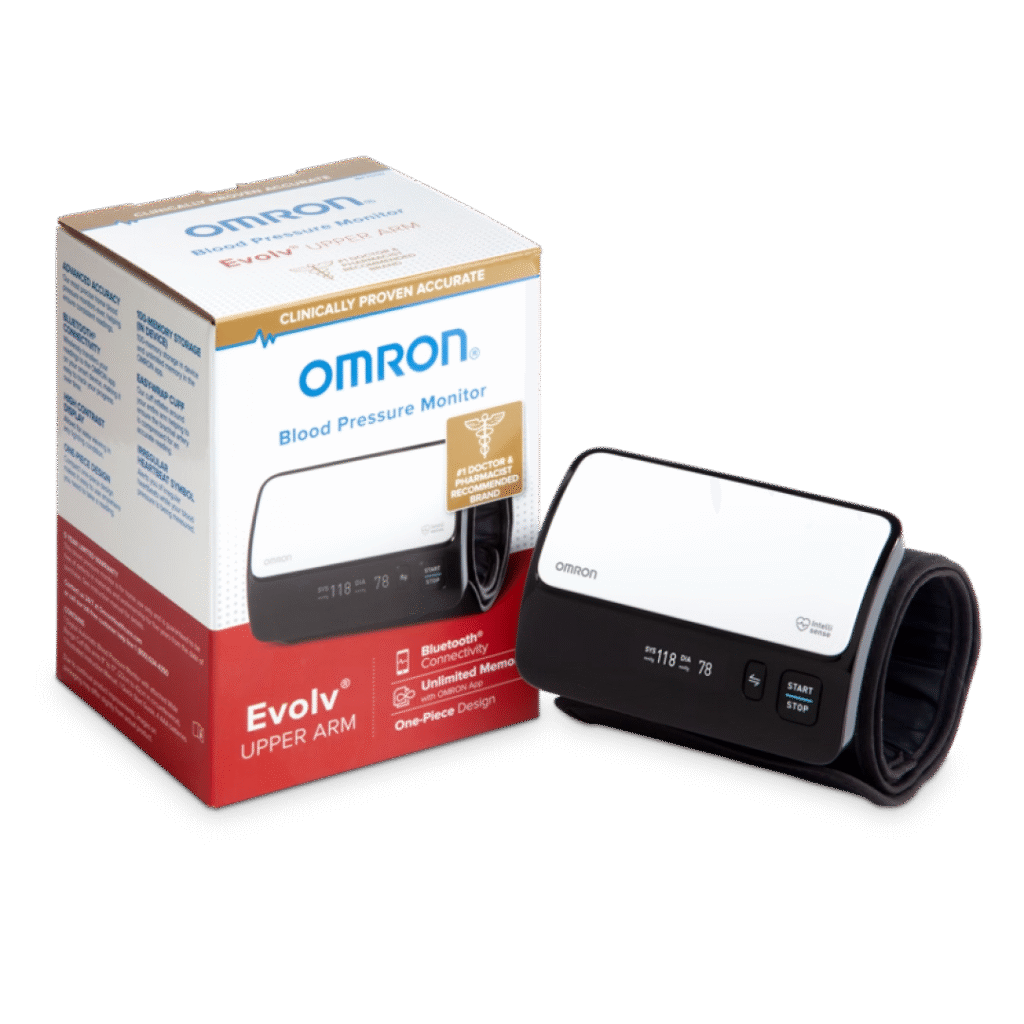
Model 1: OMRON Evolv BP7000 – The Premium Choice
Product Overview
The OMRON Evolv BP7000 represents the pinnacle of home blood pressure monitoring technology. This upper arm blood pressure monitor combines OMRON’s proprietary Advanced Accuracy algorithm with a sleek, tube-free design that makes it one of the most technically sophisticated consumer blood pressure monitors available.
Technical Specifications
| Specification | Value |
|---|---|
| Measurement Method | Oscillometric |
| Pressure Range | 0-299 mmHg |
| Pulse Range | 40-180 beats/min |
| Accuracy (Pressure) | ±3 mmHg |
| Accuracy (Pulse) | ±5% |
| Cuff Size Range | 9-17 inches (22-42 cm) |
| Memory | 100 readings per user (2 users) |
| Connectivity | Bluetooth 4.0 |
| Power | 4 AAA batteries or AC adapter (not included) |
| Display | OLED |
| Dimensions | 4.6 x 4.6 x 1.9 inches |
| Weight | 14.1 oz (without batteries) |
Key Features and Engineering Highlights
1. Advanced Accuracy Algorithm
OMRON’s proprietary algorithm measures more data points than standard oscillometric methods, significantly reducing interference from movement or irregular heartbeats. This results in more reliable readings even in challenging conditions.
2. Intelli Wrap Cuff Technology
The Evolv uses OMRON’s innovative wide-range cuff that provides 360° coverage of the brachial artery. This eliminates the need for precise cuff positioning—readings remain accurate even if the cuff is rotated up to 45° from the ideal position. The cuff’s design ensures consistent compression across the entire arterial segment being measured.
3. Tube-Free Design
Unlike traditional monitors, the Evolv integrates the monitor and cuff into a single unit without external tubing. This:
- Eliminates tubing kinks that can affect accuracy
- Reduces setup complexity
- Makes the device more portable
- Simplifies storage
4. Validated Accuracy
The Evolv BP7000 has been validated according to AAMI/ISO 81060-2 standards and is listed on ValidateBP.org. Clinical studies have demonstrated accuracy comparable to professional-grade mercury sphygmomanometers.
Pros
- ✅ Exceptional accuracy with Advanced Accuracy algorithm
- ✅ 360° cuff technology eliminates positioning errors
- ✅ Compact tube-free design for easy storage and travel
- ✅ Bluetooth connectivity with OMRON Connect app
- ✅ Validated by independent organizations
- ✅ Irregular heartbeat detection (IHB indicator)
- ✅ Morning hypertension tracking with weekly averages
- ✅ 2-user memory with 100 readings each
- ✅ 3-year warranty demonstrates confidence in quality
Cons
- ❌ Premium price point (~$80-100)
- ❌ No AC adapter included (batteries only by default)
- ❌ App requires account creation for full features
- ❌ OLED display may be difficult to see in direct sunlight
- ❌ Cuff may be too small for some users (max 17 inches)
- ❌ No carrying case included
Best For
The OMRON Evolv BP7000 is ideal for:
- Patients requiring precise blood pressure monitoring
- Healthcare professionals seeking a reliable secondary device
- Users who value compact design and portability
- Individuals who prefer app-based tracking and data management
- Those willing to invest in premium accuracy
OMRON Official Website: https://omronhealthcare.com/products/evolv-wireless-upper-arm-blood-pressure-monitor-bp7000
Model 2: iHealth Clear CNB-2002 – The Smart Home Hub
Product Overview
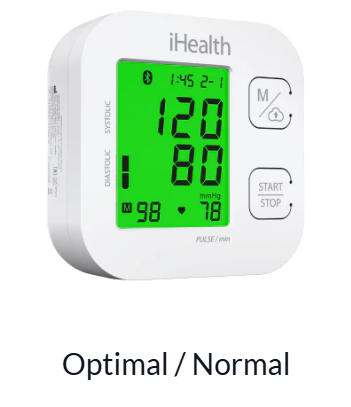
The iHealth Clear represents a fusion of medical accuracy and smart home integration. Developed by iHealth Labs, a pioneer in connected health devices, this monitor offers an excellent balance of features, accuracy, and value. It’s particularly well-suited for users who want comprehensive health tracking without breaking the bank.
Technical Specifications
| Specification | Value |
|---|---|
| Measurement Method | Oscillometric |
| Pressure Range | 0-300 mmHg |
| Pulse Range | 40-180 beats/min |
| Accuracy (Pressure) | ±3 mmHg |
| Accuracy (Pulse) | ±5% |
| Cuff Size Range | 8.6-16.5 inches (22-42 cm) |
| Memory | Unlimited (cloud storage) |
| Connectivity | Bluetooth |
| Power | Rechargeable lithium battery |
| Display | 4.3″ color LED |
| Dimensions | 4.7 x 4.6 x 2.0 inches |
| Weight | 8.8 oz |
Key Features and Engineering Highlights
1. Large Color Display
The 4.3-inch LED screen is one of the largest available on home blood pressure monitors, making it ideal for users with visual impairments or those who simply want a more comfortable viewing experience. The color-coded blood pressure indicator system provides instant interpretation:
- Green: Normal (systolic < 120 and diastolic < 80)
- Yellow: Elevated (systolic 120-129 and diastolic < 80)
- Orange: High Stage 1 (systolic 130-139 or diastolic 80-89)
- Red: High Stage 2 (systolic ≥ 140 or diastolic ≥ 90)
2. Rechargeable Battery
Unlike most competitors that use disposable batteries, the iHealth Clear features a built-in rechargeable lithium battery. This:
- Eliminates ongoing battery costs
- Reduces environmental waste
- Provides approximately 100 measurements per charge
- Uses USB-C charging (convenient for modern users)
3. Free iHealth MyVitals App
The accompanying smartphone app (available for iOS and Android) provides:
- Automatic data sync via Bluetooth
- Unlimited cloud storage for readings
- Trend visualization and charting
- Blood pressure classification based on AHA guidelines
- Medication reminders
- Data export for sharing with healthcare providers
4. Multi-User Support
Supports unlimited users through the app, making it perfect for families or small clinical settings.
Pros
- ✅ Large, color-coded display for easy reading
- ✅ Rechargeable battery eliminates disposable battery costs
- ✅ Unlimited cloud storage through iHealth app
- ✅ Multi-user support ideal for families
- ✅ Compact and lightweight design
- ✅ Reasonably priced (~$45-55)
- ✅ FDA cleared medical device
- ✅ Automatic data sync with smartphone
Cons
- ❌ App required for full functionality (without app, only shows basic readings)
- ❌ Cuff size range slightly smaller than some competitors
- ❌ Some users report Bluetooth connectivity issues
- ❌ Not listed on ValidateBP.org (though FDA cleared)
- ❌ No carrying case included
- ❌ Subscription model for some advanced app features
Best For
The iHealth Clear is ideal for:
- Families needing multi-user monitoring
- Smartphone-savvy users who appreciate app integration
- Cost-conscious consumers seeking smart features
- Users who prefer visual feedback through color-coded indicators
- Those who want to avoid ongoing battery purchases
iHealth Official Website: https://ihealthlabs.com/pages/blood-pressure-monitors-clear
Model 3: Greater Goods Balance 0602 – The Budget Champion
Product Overview
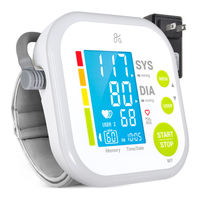
The Greater Goods Balance 0602 proves that affordability doesn’t have to mean compromising on accuracy. This monitor delivers clinically validated performance at a price point that makes home blood pressure monitoring accessible to everyone. Developed by Greater Goods, a company focused on creating high-quality health monitoring products at accessible prices, the Balance 0602 has earned recognition from Consumer Reports and other testing organizations.
Technical Specifications
| Specification | Value |
|---|---|
| Measurement Method | Oscillometric |
| Pressure Range | 0-280 mmHg |
| Pulse Range | 40-199 beats/min |
| Accuracy (Pressure) | ±3 mmHg |
| Accuracy (Pulse) | ±5% |
| Cuff Size Range | 8.5-12.4 inches (22-32 cm) |
| Memory | 60 readings per user (2 users) |
| Connectivity | None (standalone) |
| Power | 4 AAA batteries or AC adapter (included) |
| Display | LCD with color indicator |
| Dimensions | 4.0 x 3.7 x 2.1 inches |
| Weight | 12.8 oz (with batteries) |
Key Features and Engineering Highlights
1. Clinically Validated
The Balance 0602 has undergone validation testing and has been recognized by Medaval, an independent device certification organization. Consumer Reports testing has also confirmed accuracy comparable to devices costing three times as much.
2. Simple, Intuitive Operation
Without the complexity of apps and wireless connectivity, the Balance 0602 focuses on what matters most: accurate, reliable readings. The single-button operation makes it accessible for users of all ages and technical abilities.
3. AC Adapter Included
Unlike many competitors that require separate purchase of AC adapters, the Balance 0602 includes one. This is particularly valuable for users who monitor frequently and want to avoid battery changes.
4. Color Indicator Display
The large LCD screen features a color-coded indicator that provides instant visual feedback on blood pressure classification, similar to more expensive devices.
5. Memory with Averaging
Features 60-reading memory per user with automatic averaging function, allowing users to track trends without external devices.
Pros
- ✅ Excellent value for the price (~$35-45)
- ✅ Clinically validated accuracy
- ✅ AC adapter included (saves ~$15-20)
- ✅ Simple operation without app complexity
- ✅ Recognized by Consumer Reports and Medaval
- ✅ Large LCD display with color indicators
- ✅ 2-user memory with averaging
- ✅ 3-year warranty (longer than most competitors)
Cons
- ❌ No wireless connectivity (no Bluetooth/app)
- ❌ Smaller cuff size (max 12.4 inches)
- ❌ Lower memory capacity (60 vs 100+)
- ❌ Cannot export data automatically
- ❌ Manual averaging required for trends
- ❌ Requires batteries for portability (AC adapter for home use)
Best For
The Greater Goods Balance 0602 is ideal for:
- Budget-conscious users wanting reliable accuracy
- Older adults who prefer simple, no-frills devices
- Users who don’t need or want smartphone integration
- Anyone needing multiple devices for different locations
- Those who prioritize value over advanced features
Greater Goods Official Website: https://shop.greatergoods.com/products/blood-pressure-monitor
Side-by-Side Comparison Table
| Feature | OMRON Evolv BP7000 | iHealth Clear CNB-2002 | Greater Goods Balance 0602 |
|---|---|---|---|
| Price Range | $80-100 | $45-55 | $35-45 |
| Display | OLED (small) | 4.3″ Color LED (large) | LCD with color (medium) |
| Cuff Range | 9-17″ | 8.6-16.5″ | 8.5-12.4″ |
| Memory | 100/user (2 users) | Unlimited (cloud) | 60/user (2 users) |
| Connectivity | Bluetooth | Bluetooth | None |
| Power | 4 AAA | Rechargeable | 4 AAA + AC adapter |
| Validation | FDA + ValidateBP | FDA cleared | Medaval + Consumer Reports |
| Warranty | 3 years | 2 years | 3 years |
| Weight | 14.1 oz | 8.8 oz | 12.8 oz |
| Carrying Case | No | No | No |
| Irregular Heartbeat Detection | Yes | Yes | Yes |
| Morning Averaging | Yes | Via app | Manual |
Quick Decision Guide
Choose OMRON Evolv if: You prioritize maximum accuracy, prefer compact design, and want the best technology available.
Choose iHealth Clear if: You want a balance of features and price, prefer visual/clor-coded feedback, and appreciate smartphone integration.
Choose Greater Goods Balance if: You’re on a budget, prefer simple operation, or don’t need wireless connectivity.
Common Mistakes to Avoid When Measuring Blood Pressure
From my experience reviewing patient errors with home blood pressure monitors, here are the most common mistakes I see:
1. Incorrect Cuff Positioning
The mistake: Placing the cuff too high or too low on the arm, or positioning it over clothing.
The solution: The cuff bladder should be centered over the brachial artery, with the bottom edge about 1 inch above the inner elbow crease. The cuff should be snug but allow two fingers underneath.
2. Improper Body Position
The mistake: Measuring while lying down, slouching, or crossing legs.
The solution: Sit upright with your back supported, feet flat on the floor, and legs uncrossed. Your arm should be supported at heart level on a flat surface.
3. Talking or Moving During Measurement
The mistake: Engaging in conversation or moving during the measurement.
The solution: Remain still and silent during the measurement. Talking and movement can affect the readings significantly.
4. Wrong Timing
The mistake: Measuring immediately after exercise, eating, drinking caffeine, or smoking.
The solution: Wait at least 30 minutes after these activities before measuring. The best readings are obtained after 5 minutes of rest in a quiet environment.
5. Empty Bladder
The mistake: Measuring with a full bladder.
The solution: Empty your bladder before measuring, as a full bladder can temporarily elevate blood pressure.
6. Wrong Cuff Size
The mistake: Using a cuff that’s too small or too large for your arm.
The solution: Measure your mid-upper arm circumference and match it to the appropriate cuff size as described earlier.
Maintenance and Calibration: Ensuring Long-Term Accuracy
Like any precision instrument, blood pressure monitors require periodic maintenance to ensure continued accuracy.
Routine Maintenance
- Battery Replacement: Replace batteries when indicated. Low battery power can affect accuracy. Remove batteries if the device will not be used for an extended period.
- Cuff Inspection: Check the cuff bladder for signs of wear, cracking, or separation from the outer fabric. Replace worn cuffs as they can affect accuracy.
- Cleanliness: Wipe the monitor and cuff with a soft, damp cloth. Do not use harsh chemicals or submerge the device in water.
- Storage: Store the device in a cool, dry location. Avoid extreme temperatures, which can affect electronic components and battery life.
Calibration Verification
While home blood pressure monitors cannot be user-calibrated, you can verify their accuracy:
- Compare with your doctor’s office reading: If your monitor consistently reads more than 10 mmHg different from your doctor’s mercury sphygmomanometer, there may be an issue.
- Compare between devices: If you own two monitors, take simultaneous readings. Significant differences indicate potential accuracy issues.
- Professional calibration: Some medical equipment companies offer calibration services for a fee.
When to Replace: Most monitors have a lifespan of 3-5 years with regular use. Consider replacement if:
- The device shows inconsistent readings
- The display becomes dim or unclear
- The device has been dropped or damaged
- It’s more than 5 years old
Buying Guide: Which Monitor is Right for You?
For Patients with Hypertension
Recommended: OMRON Evolv BP7000
Why: The exceptional accuracy, advanced features, and validated performance make it ideal for patients who need precise monitoring to manage their condition. The averaging functions and app integration help track treatment effectiveness.
For Families/Multi-Users
Recommended: iHealth Clear CNB-2002
Why: The multi-user support with unlimited cloud storage makes it perfect for families. The large color display and rechargeable battery add convenience without breaking the bank.
For Budget-Conscious Users
Recommended: Greater Goods Balance 0602
Why: Despite the lower price, this device maintains clinical validation. For users who don’t need smart features and want reliable readings at an affordable price, this is the clear choice.
For Older Adults
Recommended: Greater Goods Balance 0602 (simplicity) or iHealth Clear (large display)
Why: Older adults often prefer simple operation without app complexity. However, those with visual impairments may benefit from the iHealth’s large color display.
For Healthcare Professionals
Recommended: OMRON Evolv BP7000
Why: The validated accuracy, compact design, and professional features make it suitable for healthcare settings where reliability is paramount.
For Travelers
Recommended: OMRON Evolv BP7000
Why: The tube-free, compact design makes it the most portable option among our three selections. It easily fits in a carry-on bag and is designed for on-the-go use.
Conclusion:
Blood pressure monitoring is one of the most important steps you can take for preventive health management. Whether you’re managing hypertension, tracking your cardiovascular health, or monitoring a loved one, having a reliable blood pressure monitor at home is an investment in your well-being.
After thorough analysis of the engineering principles, validation standards, and available options, I stand behind the following recommendations:
The OMRON Evolv BP7000 remains the gold standard for those who demand the highest accuracy and most advanced features. Its validated performance, innovative cuff technology, and compact design justify the premium price for users who need precise monitoring.
The iHealth Clear CNB-2002 offers an excellent middle ground, providing smart features and app integration at a reasonable price point. The large display and color-coded readings make it accessible for families and visual users.
The Greater Goods Balance 0602 proves that essential accuracy doesn’t require a premium price tag. For budget-conscious users or those who prefer simple, no-frills operation, this device delivers validated performance at an accessible cost.
Remember, the best blood pressure monitor is the one you’ll actually use consistently. Consider your lifestyle, technical comfort level, and specific needs when making your choice. And always discuss your blood pressure readings with your healthcare provider, as home monitoring is a complement to—not a replacement for—professional medical care.
Sources and References
- American Heart Association. “Understanding Blood Pressure Readings.” https://www.heart.org/en/health-topics/high-blood-pressure/understanding-blood-pressure-readings
- World Health Organization. “Hypertension.” https://www.who.int/news-room/fact-sheets/detail/hypertension
- FDA. “Blood Pressure Monitoring Devices – Premarket 510(k) Submissions.” https://www.fda.gov/medical-devices/products-and-medical-procedures/blood-pressure-monitoring-devices
- AAMI/ISO 81060-2:2019. “Non-invasive sphygmomanometers – Part 2: Clinical investigation of automated measurement type.” https://www.iso.org/standard/69096.html
- European Society of Cardiology/ESH. “2023 Practice Guidelines for the management of arterial hypertension.” https://www.eshonline.org/guidelines/
- ValidateBP.org. “Find Validated Blood Pressure Devices.” https://www.validatebp.org/
- Consumer Reports. “Best Blood Pressure Monitors 2025.” https://www.consumerreports.org/health/blood-pressure-monitors/
- Medaval. “Blood Pressure Monitor Certification.” https://www.medaval.ie/
- Cleveland Clinic. “Wrist Blood Pressure Monitors.” https://my.clevelandclinic.org/health/articles/24566-wrist-blood-pressure-monitor
- OMRON Healthcare. “Evolv Blood Pressure Monitor Product Information.” https://omronhealthcare.com/products/evolv-wireless-upper-arm-blood-pressure-monitor-bp7000
- iHealth Labs. “Clear Blood Pressure Monitor Technical Specifications.” https://support.ihealthlabs.com/hc/en-us/articles/8502402909069-Technical-specifications
- Greater Goods. “Balance Blood Pressure Monitor Product Information.” https://shop.greatergoods.com/products/blood-pressure-monitor